
SPI’s Study on the Economic Impact of the Texas’ Production Incentive Published
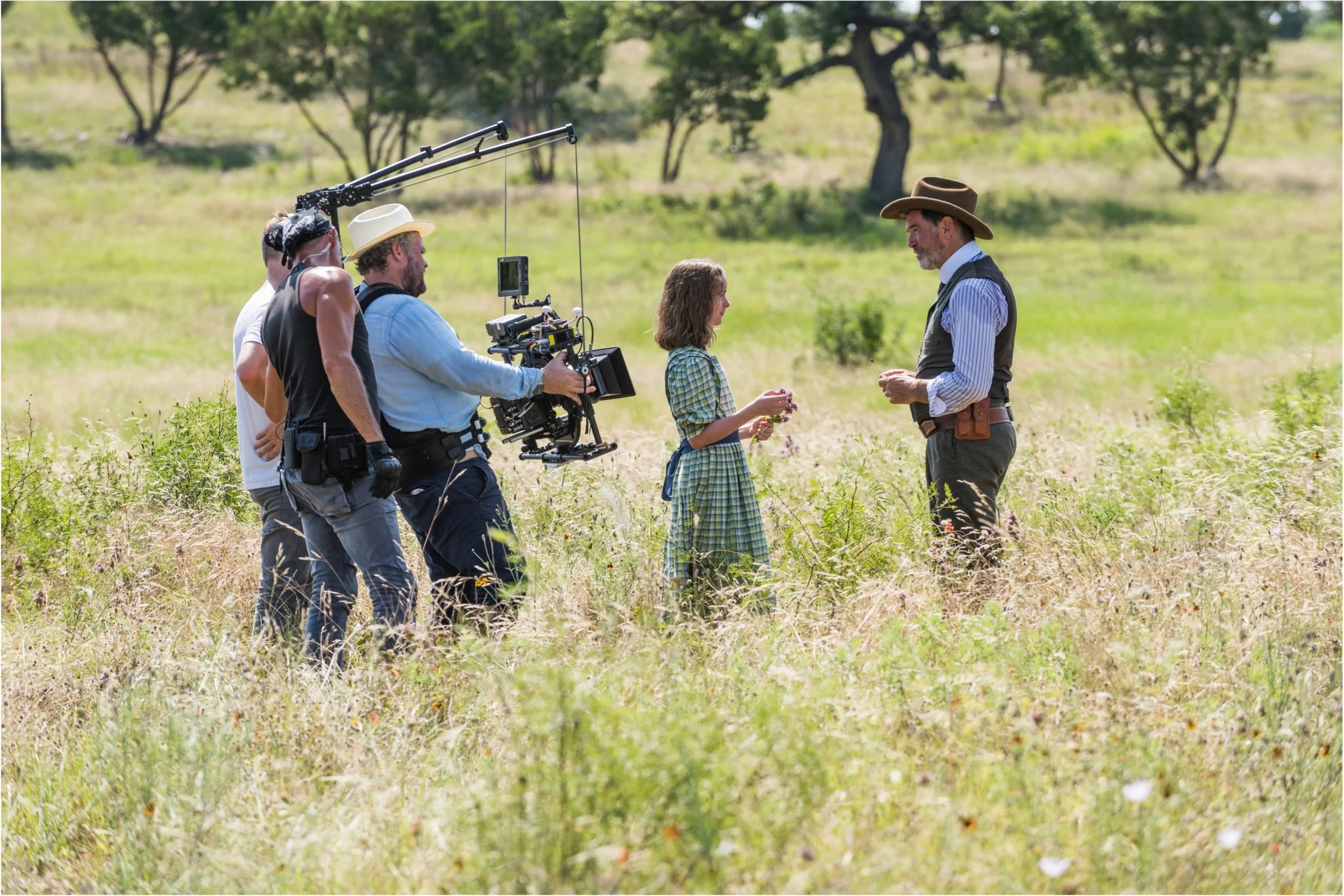
© Van Redin, The Son (2017-2019), courtesy of the Texas Film Commission
Olsberg·SPI (SPI) today published Reel Returns: The Economic Impact of the Texas Moving Image Industry Incentive Program, an economic impact of the state-wide incentive programme for moving image in Texas. This was commissioned by the Texas Film Commission, the Texas Economic Development & Tourism Office, and the Texas Economic Development Corporation.
The study examines the economic contribution of the Texas Moving Image Industry Incentive Program (TMIIIP), administered by the Texas Film Commission within the Texas Economic Development & Tourism Office in the Office of the Governor. The programme supports film, television, commercial, animation, visual effects, video game, and extended reality production by offering a cash grant rebate based on eligible in-state expenditure, including wages paid to Texas residents. Its aim is to attract new investment to Texas while supporting jobs and business activity across the state.
Covering the period from September 2015 to May 2025, the study assesses the full economic footprint of the incentive across direct, indirect, and induced channels. N.B. the study looks at production undertaken before the September 2025 SB22 programme enhancement of the TMIIP, acting as a valuable baseline assessment.
The study finds that spending by incentivised productions generated an estimated $1.179 billion in total economic Gross Value Added (GVA) across the Texas economy, while supporting approximately $696.5 million in total labour income and an average of 1,200 full-time equivalent (FTE) jobs per year.
The analysis also demonstrates a strong return on public investment, with the programme generating an estimated $4.51 in economic benefit (GVA) for every $1 invested. These impacts are driven by production spending flowing through local and state-wide supply chains, supporting a wide range of businesses and services beyond the moving image production sector itself.
Case study analysis included in the study highlights how production activity benefits communities across Texas. One project based in Midlothian, with filming across the wider Fort Worth and Dallas region, drew and supported a value chain extending across Texas, with economic impacts reaching small businesses as far as El Paso. A second case study found that around 57% of in-state spending flowed to non-screen-specific sectors, including construction, real estate, digital services, finance and legal services, music and performing arts, and health and medical services.
The study also sets out a series of strategic, administrative, and policy recommendations aimed at maximising the long-term impact of the incentive programme and strengthening the competitiveness of Texas as a production location.
Thank you to all those who contributed their time, expertise, and insights to this study, along with the study’s sponsors.
Download the report here.
Contact SPI Consultant, Joshua Dedman, at joshua@o-spi.com for further information
Find more information on SPI’s Economic Impact Studies here.